


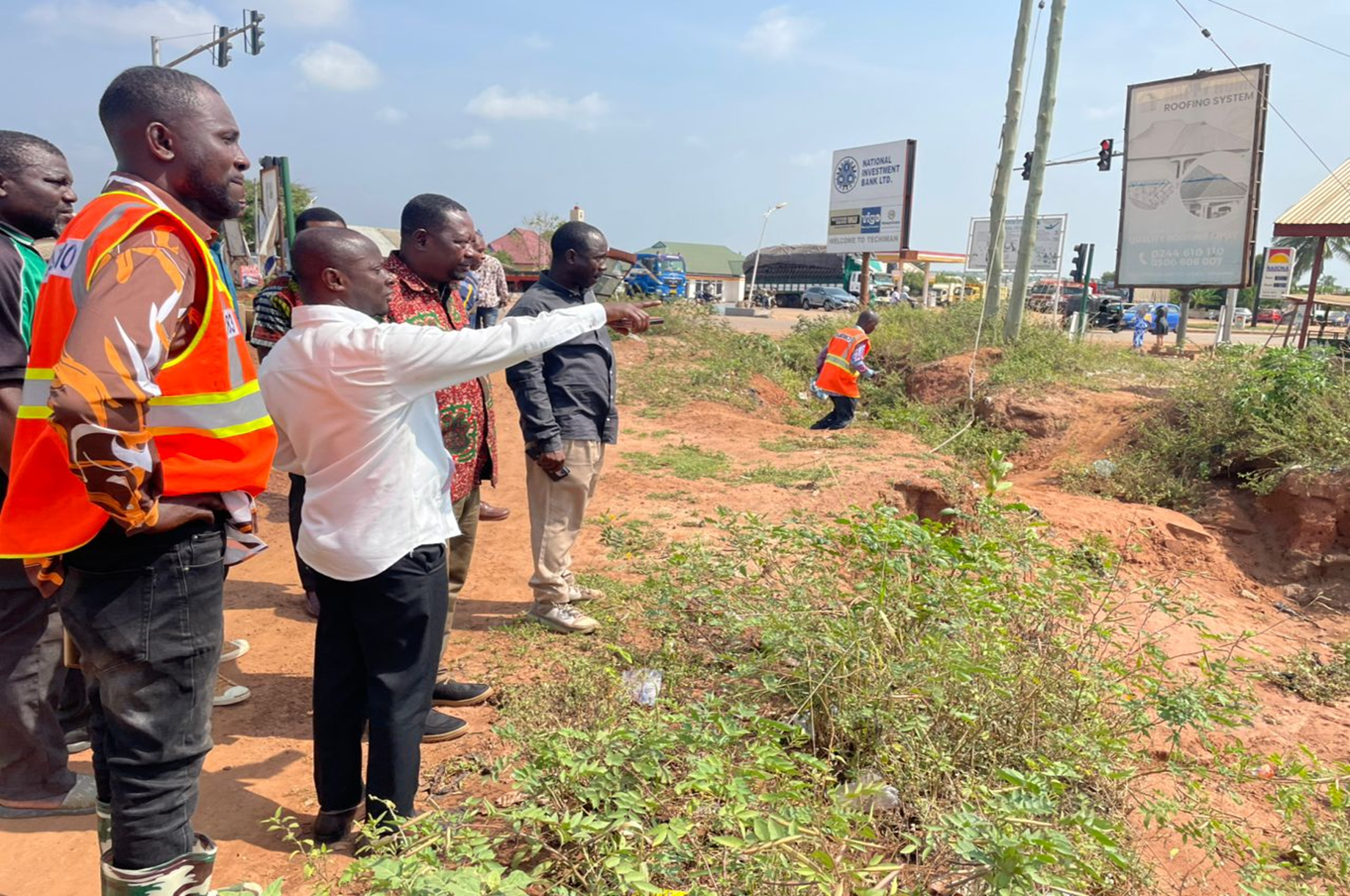


A four-day training workshop was held from Tuesday, September 24, to Friday, September 27, at the main Assembly conference hall for staff of Social Welfare and Community Development, Assistant Directors, the District Planning Officer, the District Human Resource Manager, the Management Information Officer, and other key stakeholders within the District. The workshop focused on the steps taken to protect vulnerable individuals from sexual exploitation and abuse (SEA) by humanitarian actors and related personnel, including UN staff, their implementing partners, other aid workers, security personnel, peacekeepers, and suppliers/vendors providing goods and services for humanitarian purposes.
Sexual exploitation and abuse occur when individuals in positions of power misuse their authority to obtain sexual favours. SEA can be committed by anyone, with examples including offering gifts, money, relief items, or jobs in exchange for sex, as well as pressuring or coercing beneficiaries into providing sexual favours with threats of withholding project assistance. The workshop also covered sexual abuse acts such as unwanted kissing, touching, grabbing or rubbing intimate body parts, attempted rape, or any sexual activity with a child.
To prevent SEA, the workshop emphasized the need to strengthen social welfare mechanisms to meet the needs of vulnerable groups, including children and women, and enhance organizational capacities to prevent, mitigate, and respond to SEA risks. It was underscored that reporting SEA allegations, concerns, or suspicions, including those involving aid workers, is mandatory. Such incidents should be reported through the Domestic Violence Victim Support Unit (DOVVSU) of the Ghana Police Service via the helpline at 0800000900, or the Helpline of Hope under the Ministry of Gender, Children, and Social Protection (MOGCSP) at 0800800800.


